Tree Branch Disposal in Honolulu, HI
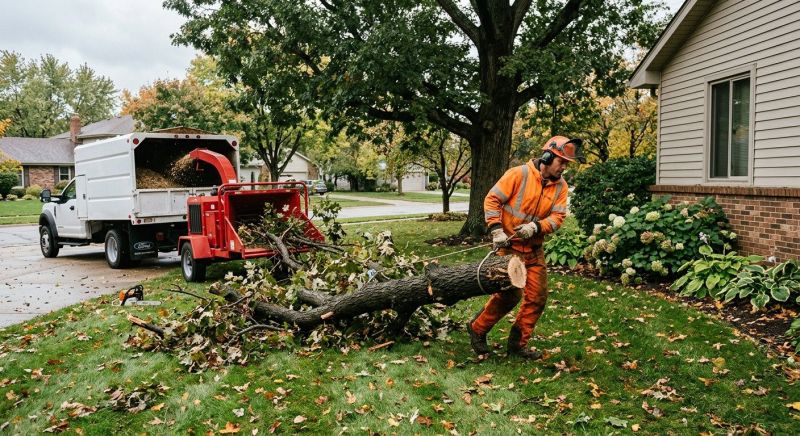
Tree branch disposal services involve removing and responsibly eliminating unwanted or hazardous tree limbs from residential properties. This service typically covers projects such as trimming overgrown branches, clearing fallen limbs after storms, or pruning trees to maintain safety and health. Property owners often seek this service to prevent damage to structures, improve curb appeal, or ensure safe access around their homes, especially after severe weather events or routine maintenance.
Before requesting tree branch disposal, property owners should consider the size and quantity of branches needing removal, as well as the location on the property. It’s helpful to understand if the project involves only small, manageable limbs or larger, heavier sections that may require specialized equipment. Clarifying whether branches are accessible and how they will be transported can also streamline the process and ensure the disposal method aligns with local regulations and property needs.
Many property owners in Honolulu, HI look into Tree Branch Disposal for repairs, replacements, upgrades, and appearance-related improvements.
Tree Branch Disposal Options
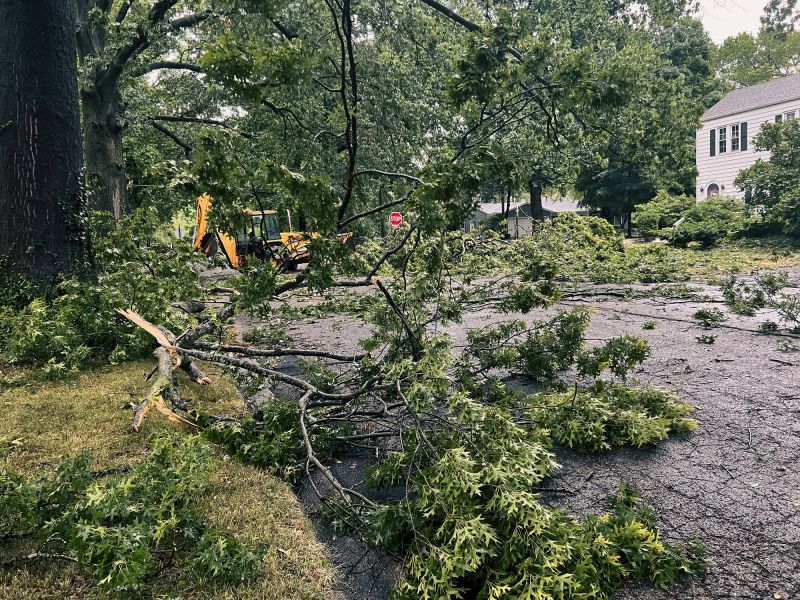
Services include removal of fallen or trimmed tree branches to keep your property safe and clean.
Hazard Prevention For Property Safety
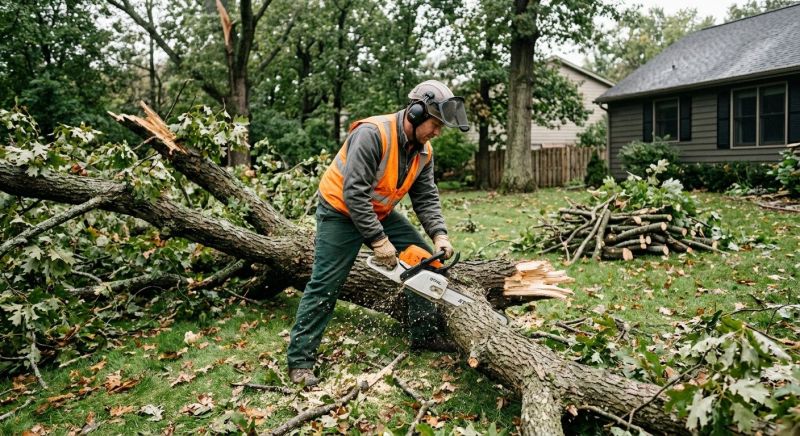
Removing overhanging or broken branches helps prevent damage during storms and maintains a tidy landscape.
Cleanup After Tree Maintenance
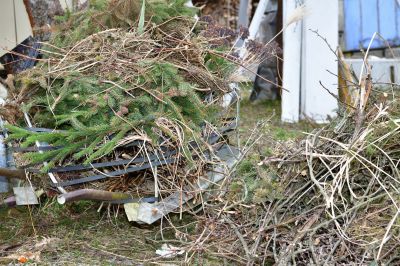
Efficient disposal of cut branches ensures your yard remains neat and ready for outdoor activities.
Tree Branch Disposal in Honolulu, HI

Tree branch disposal services involve removing and responsibly eliminating unwanted or hazardous tree limbs from residential properties. This service typically covers projects such as trimming overgrown branches, clearing fallen limbs after storms, or pruning trees to maintain safety and health. Property owners often seek this service to prevent damage to structures, improve curb appeal, or ensure safe access around their homes, especially after severe weather events or routine maintenance.
Before requesting tree branch disposal, property owners should consider the size and quantity of branches needing removal, as well as the location on the property. It’s helpful to understand if the project involves only small, manageable limbs or larger, heavier sections that may require specialized equipment. Clarifying whether branches are accessible and how they will be transported can also streamline the process and ensure the disposal method aligns with local regulations and property needs.
Many property owners in Honolulu, HI look into Tree Branch Disposal for repairs, replacements, upgrades, and appearance-related improvements.
Common Tree Branch Disposal Jobs
Tree branch disposal services - removal of fallen or overgrown branches from residential and commercial properties.
Tree branch cleanup - clearing yard debris to maintain a tidy outdoor space.
Storm damage branch removal - safely removing broken or hazardous branches after severe weather.
Pruning debris disposal - hauling away trimmed branches to reduce clutter and promote healthy trees.
Emergency branch removal - prompt removal of branches that pose immediate safety risks.
Yard waste disposal - proper disposal of branches to comply with local waste regulations.
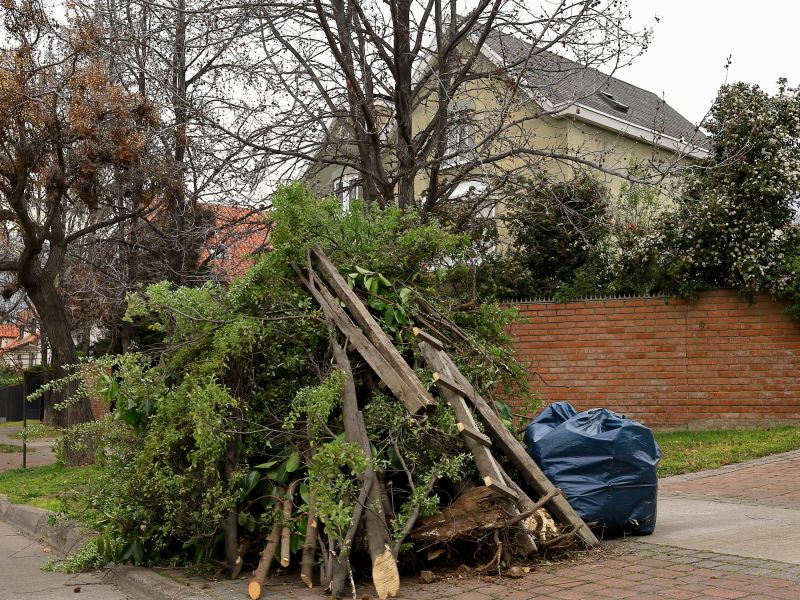
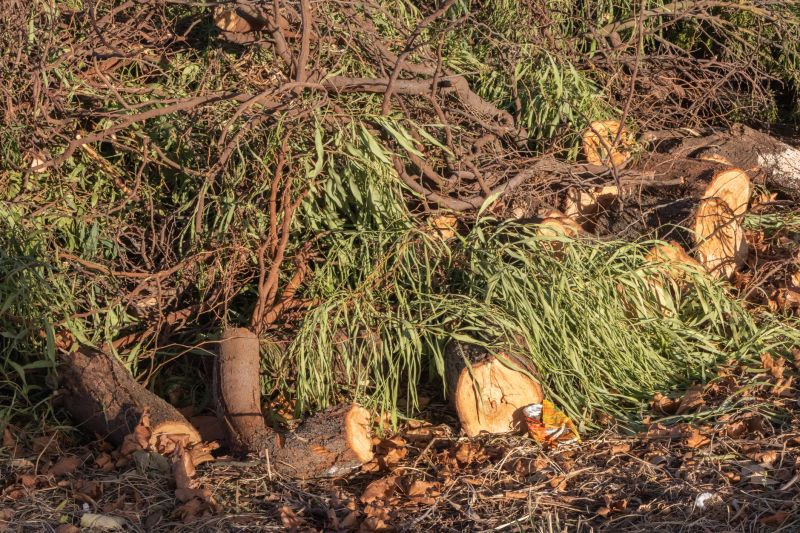
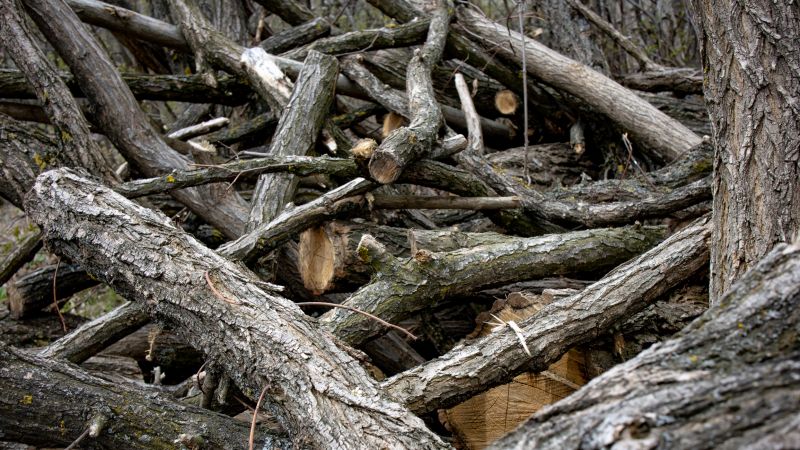
Tree Branch Disposal Questions
What types of tree branches are accepted for disposal? Branches of all sizes and types can typically be disposed of, including fallen limbs and pruned material.
Is there a limit to the amount of branches that can be removed? Property owners should check local regulations or guidelines for any restrictions on disposal quantities.
How should tree branches be prepared for disposal? Branches are usually best bundled or stacked neatly to facilitate handling and collection.
What are common reasons for needing tree branch disposal services? Services are often requested after storm damage, pruning, or tree removal projects.
Request Tree Branch Disposal in Honolulu, HI
Use the quote form on this page to share the basics of your project and request more information for the type of work you need.