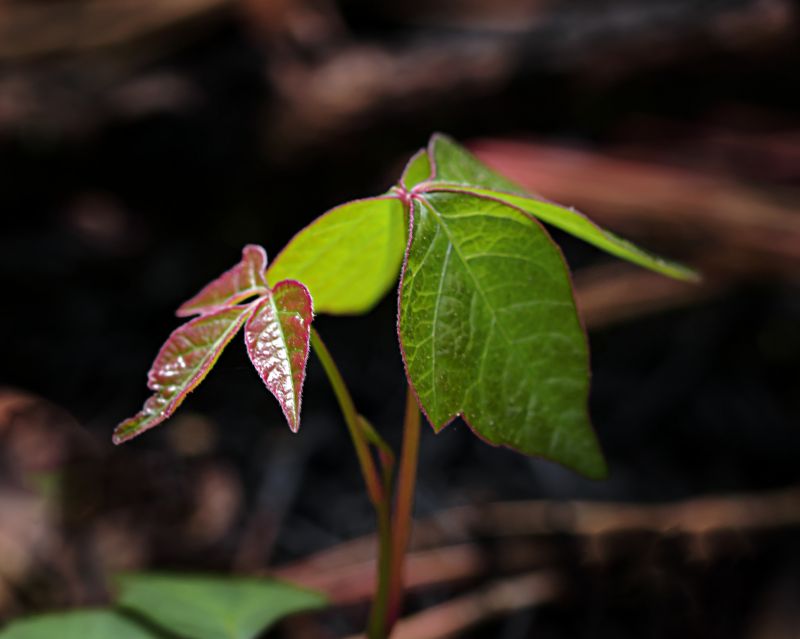
Poison Ivy Removal in Philadelphia, PA
Poison ivy removal services focus on safely eliminating this common plant from residential properties. These services typically cover projects such as clearing poison ivy from yards, gardens, fences, trees, and other landscape features. Property owners often request this service to protect family members, pets, and visitors from skin irritation and allergic reactions caused by contact with the plant. Before requesting removal, homeowners usually want to understand the extent of the infestation, the methods used to remove the plant, and whether the removal will include root elimination to prevent regrowth.
Understanding the scope of the project is important for property owners considering poison ivy removal. They should inquire about the areas affected, the safety measures taken during removal, and if any follow-up treatments are recommended to prevent future growth. Additionally, knowing whether the service includes disposal of the plant material and recommendations for replanting or landscaping can help homeowners plan their outdoor spaces accordingly. Proper removal helps ensure the safety and aesthetic appeal of the property while reducing the risk of allergic reactions.
Many property owners in Philadelphia, PA look into Poison Ivy Removal for repairs, replacements, upgrades, and appearance-related improvements.
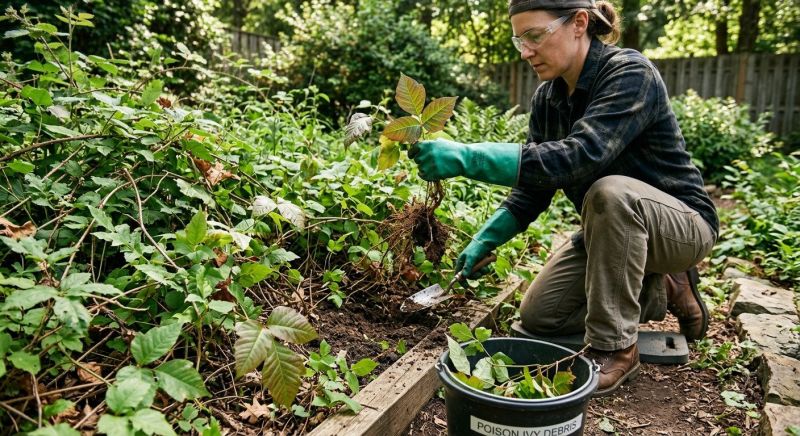
Identifying Poison Ivy
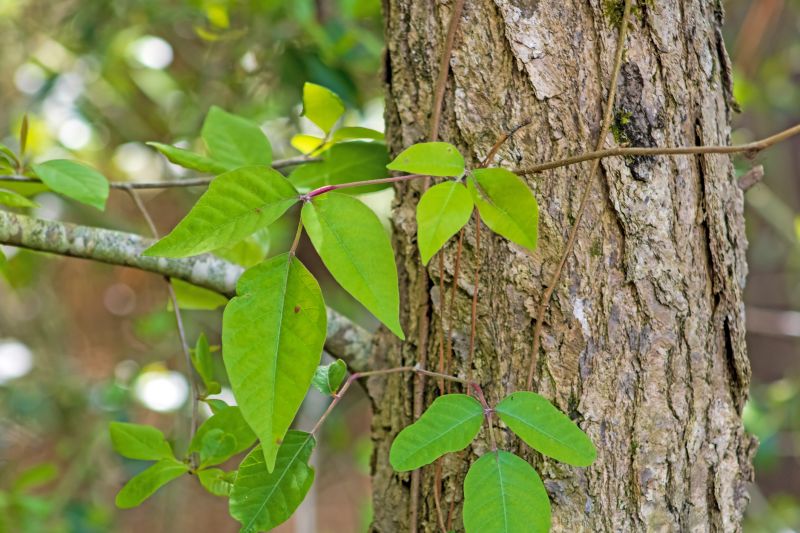
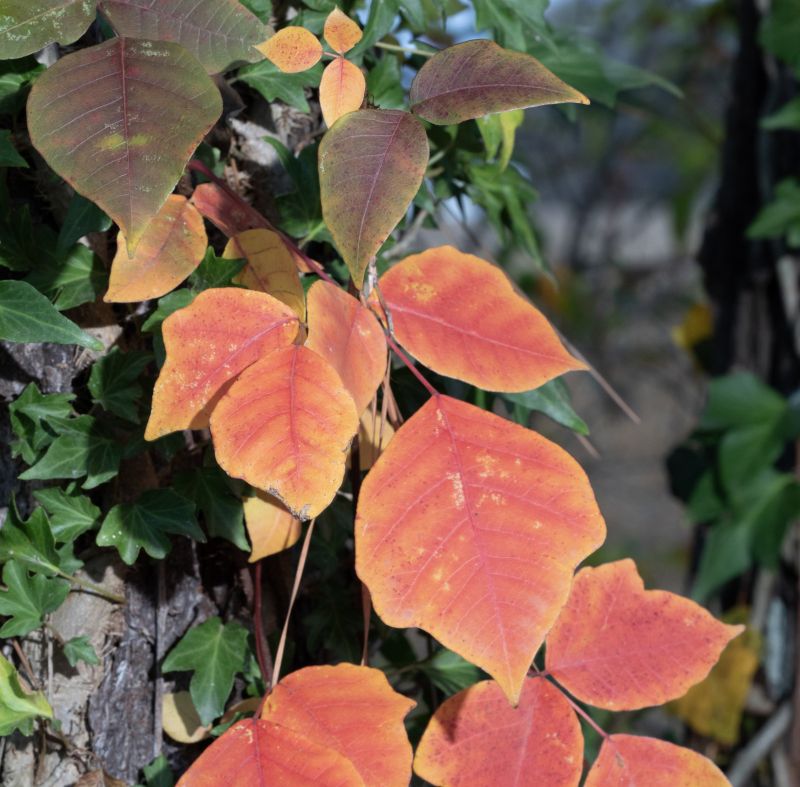
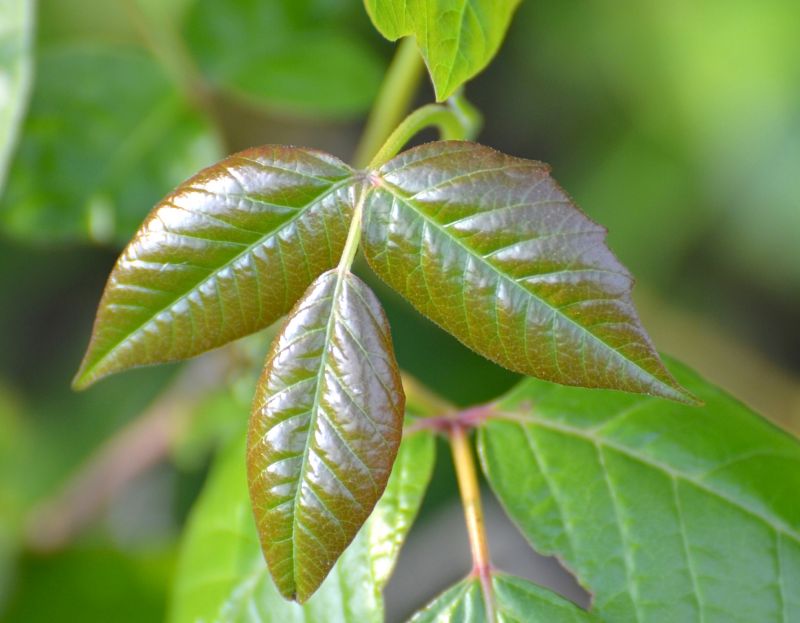
Recognizing poison ivy growth on residential and commercial properties in philadelphia helps prevent skin irritation and property damage.
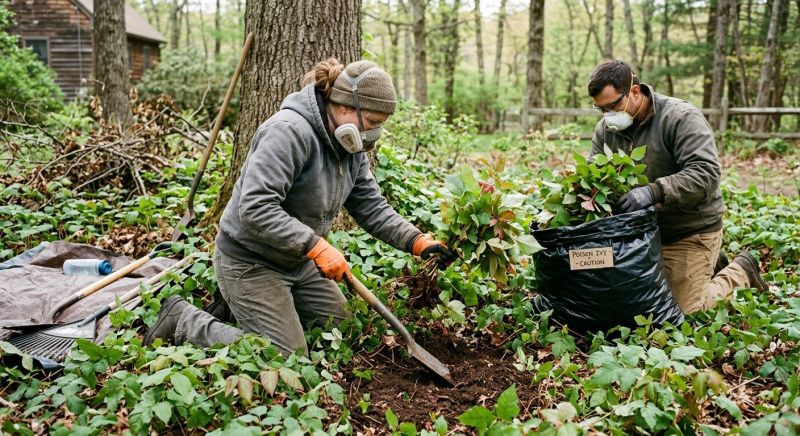
Safe Removal Techniques
Professional removal ensures safe and effective elimination of poison ivy without harming surrounding plants or structures.
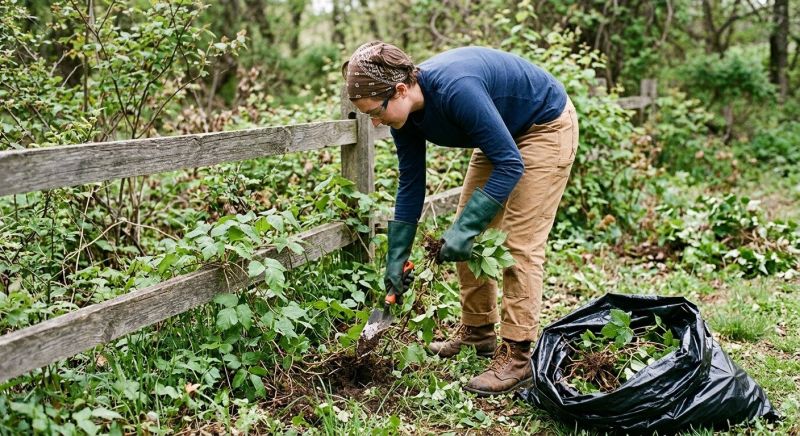
Preventative Care
Implementing removal and maintenance strategies reduces the likelihood of poison ivy regrowth on philadelphia properties.
Poison Ivy Removal in Philadelphia, PA
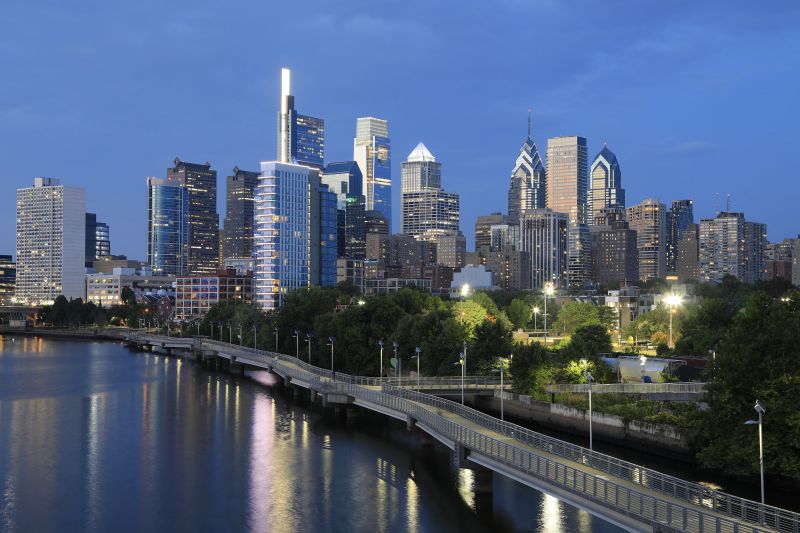
Poison ivy removal services focus on safely eliminating this common plant from residential properties. These services typically cover projects such as clearing poison ivy from yards, gardens, fences, trees, and other landscape features. Property owners often request this service to protect family members, pets, and visitors from skin irritation and allergic reactions caused by contact with the plant. Before requesting removal, homeowners usually want to understand the extent of the infestation, the methods used to remove the plant, and whether the removal will include root elimination to prevent regrowth.
Understanding the scope of the project is important for property owners considering poison ivy removal. They should inquire about the areas affected, the safety measures taken during removal, and if any follow-up treatments are recommended to prevent future growth. Additionally, knowing whether the service includes disposal of the plant material and recommendations for replanting or landscaping can help homeowners plan their outdoor spaces accordingly. Proper removal helps ensure the safety and aesthetic appeal of the property while reducing the risk of allergic reactions.
Many property owners in Philadelphia, PA look into Poison Ivy Removal for repairs, replacements, upgrades, and appearance-related improvements.
Common Poison Ivy Removal Jobs
Poison Ivy Removal - Safe elimination of poison ivy from yards, fences, and landscape areas.
Poison Ivy Clearing - Removal of invasive poison ivy vines from trees and shrubs.
Poison Ivy Treatment - Application of targeted solutions to prevent regrowth and spread.
Poison Ivy Eradication - Complete removal of roots to reduce the chance of future growth.
Poison Ivy Control - Ongoing management to keep poison ivy from re-establishing on the property.
Poison Ivy Cleanup - Disposal of removed plants to ensure property safety and cleanliness.
Poison Ivy Removal Questions
What is poison ivy removal? Poison ivy removal involves eliminating the plant from residential or commercial properties to prevent skin irritation and property damage.
When should poison ivy be removed? Removal is recommended when poison ivy is growing in areas accessible to people or pets, or when it poses a risk of spreading or causing allergic reactions.
How is poison ivy removed safely? Safe removal typically includes wearing protective clothing and using proper tools to carefully extract the plant without spreading its oils.
Can poison ivy grow back after removal? Yes, poison ivy can regrow from roots or remaining plant parts if not properly eradicated, so thorough removal is important.
Request Poison Ivy Removal in Philadelphia, PA
Use the quote form on this page to share the basics of your project and request more information for the type of work you need.